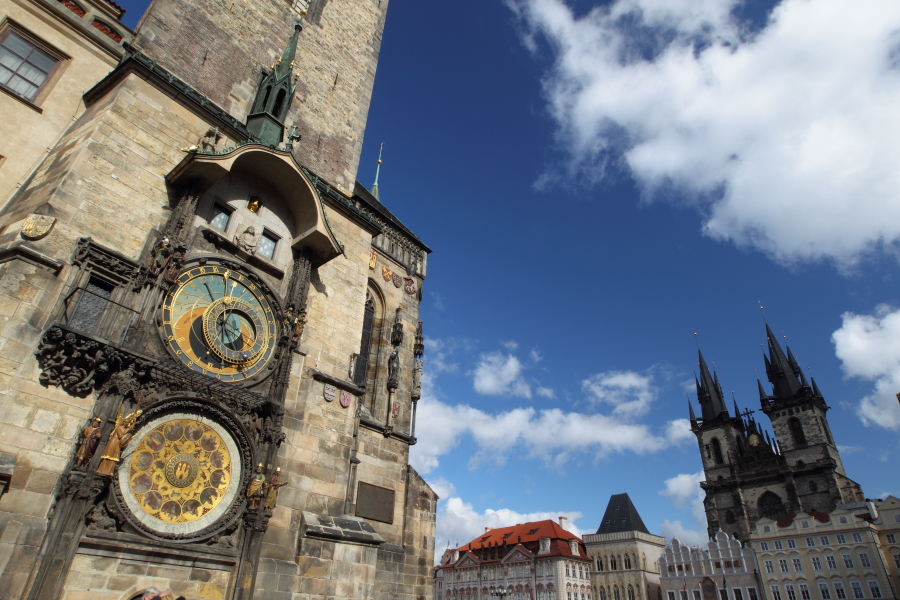
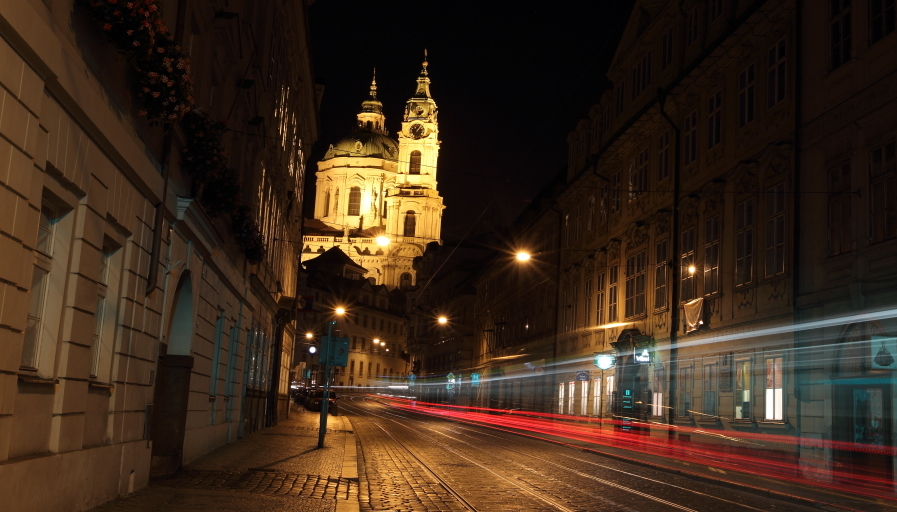
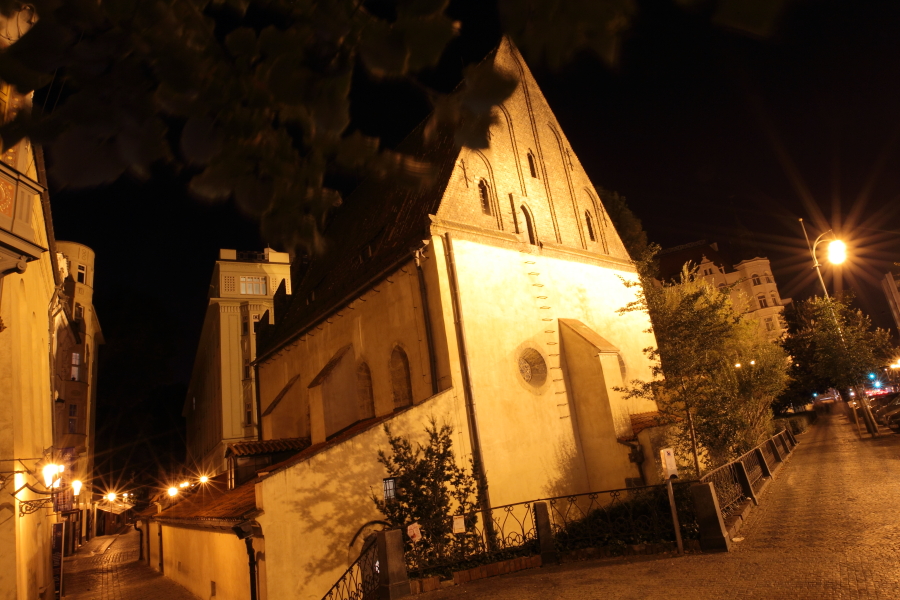
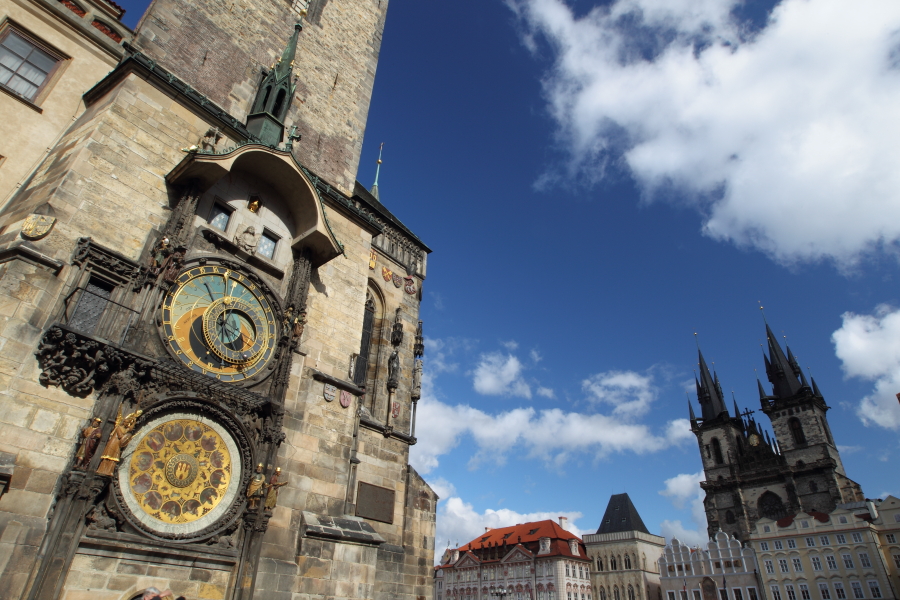
Romanesque, Gothic, Baroque — a thousand years in which the country built itself into one long prayer.
In 863 Cyril and Methodius brought the gospel and the first Slavic alphabet to Great Moravia. From that spring flowed a millennium of stone: the Romanesque rotundas, the soaring Gothic of Charles IV, and the gilded Baroque that re-Catholicized the land after 1620.
St. Vitus Cathedral began in 1344 as the spiritual heart of the Holy Roman Empire. Around it, the tradition of Bohemian saints — Wenceslas, Ludmila, Adalbert, John of Nepomuk — wove a local Christianity that still shapes how Czechs mark Christmas, Easter and pilgrimage days.
The Counter-Reformation gave the landscape its Baroque skyline: Dientzenhofer churches, Santini's star-vaulted pilgrimage sites, village shrines at every crossroads. We read that architecture as theology — how a building teaches what it believes.
"You, O Lord, are our father; we are the clay, and you are our potter."